

Blogs

Date 29 June 2026
What is Performance Testing?
Performance testing is a way of verifying that your IT system can the meet its capacity and performance non-functional requirements (NFRs).
Capacity and performance NFRs are:
- Business demand
- System speed
- System efficiency
- System scalability
- System stability
- System resilience
Performance testing takes many forms such as stress testing, load testing, soak testing and single user testing. The objective is the same; reduce the performance risk to the system and ensure the system can meet its NFRs.
Do I need to conduct Performance Testing?
Not always! It depends on the level of performance risk in the system, and how much risk the business is prepared to accept.

What are the Drivers of Performance Risk?
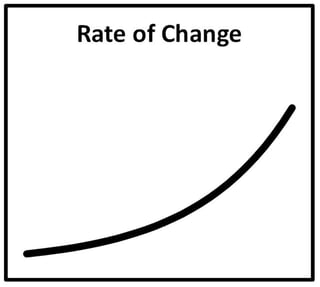
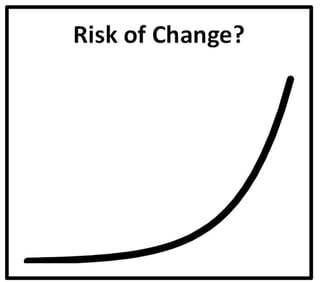
Business changes, such as new features and functionality require IT system changes. As the rate of business change increases, so does the performance risk. Software delivery methodologies such as Agile and Continuous Delivery increase the rate of change.
The second driver of risk is the complexity of the change.
What are the Different Types of Performance Testing?
Load Testing determines the response time and throughput during forecast peak load.
Stress Testing determines the peak throughput, gradually increasing the load beyond that expected until the maximum achievable load is reached.
Volume Testing or Soak Testing determines the problems that occur during long-term activity (typically from 8 hours to 1 week).
Single User Testing determines the system resources consumed by a single transaction on an unloaded system, where queuing does not occur. This is used to measure the inputs required for performance and capacity models.
Summary
Performance testing is a powerful risk management technique to ensure the stability and performance of IT services.
Performance testing will be beneficial if your organisation meets one or more of the following criteria:
- Frequent and complex change to IT systems
- Rapid business growth
- Extraordinary peaks
- Desire to reduce information and communication technology (ICT) costs
- Requirement to reduce the risk of instability on business-critical services

About the author
Team Capacitas

FinOps and AI: Building the Financial Discipline for the Next Wave of Enterprise Intelligence
AI FinOps represents an evolution rather than a replacement of traditional FinOps. It extends the model into a domain where financial, technical, and product decisions are tightly interconnected.
Confidence Under Load: How We Verified AKS Readiness for Peak
How Capacitas verified AKS readiness for peak demand by validating workload performance, autoscaling, cluster capacity, monitoring, and incident response.
Building Cloud Resilience: Lessons from the AWS Outage
Learning from the Latest Outage. Events like this week’s AWS disruption highlight one clear truth: resilience must be designed, not assumed.
Bringing Order to Chaos: A Practical Guide to Chaos Testing in the Cloud
In today’s cloud-native environments, resilience is not optional—it’s critical. Chaos testing has emerged as a key practice for validating system behaviour under failure conditions.