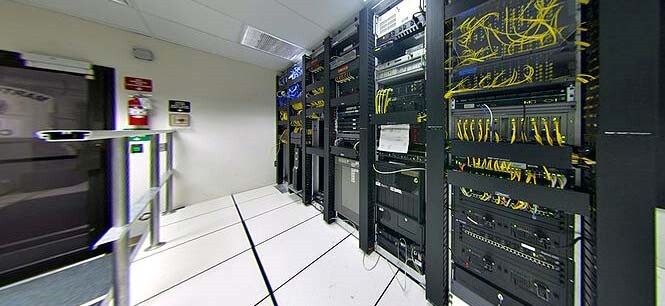
Our research has shown that many datacentres are underutilised, even more so than they think they are. This leads to high and/or escalating costs and a feeling of not being in control.
When they do undertake infrastructure consolidation they are held back by a number of obstacles including:
This creates an environment where there is a lack of confidence to challenge requests for new spending. The organisation feels at the mercy of their hardware suppliers, and data centre operators.
The first step is to identify quick wins. Not only does this address the crux of the underutilisation issue but it:
The simplest way to identify the quick wins are to go after groups of servers that are ‘similar’, i.e. those that:
These servers may or may not be in clusters, the main points are that:
Once these quick wins have been achieved then the following steps can be considered:
Our Infrastructure Consolidation service excels at normalising and aggregating workloads to indicate what the true datacentre utilisation is. However, the need to establish credibility with IT service and application owners is where the success starts.
In one example we analysed one application in one IT service and found that the workload of six servers could adequately run on one of the existing servers. This was put to the system stakeholders who were intrigued enough to ask for a budget to test the proposed configuration. Instead of removing five servers they wanted to retain two in an active/passive cluster.
This results in the IT division having confidence in their budget plans, feeling that they are back in control and can justify their costs to the business.
For more detail, view the case study:
For more information on Capacitas server consolidation services, please click here.
Realising Savings From Infrastructure Consolidation (Part 1 of 3)
Realising Savings From Infrastructure Consolidation (Part 2 of 3)